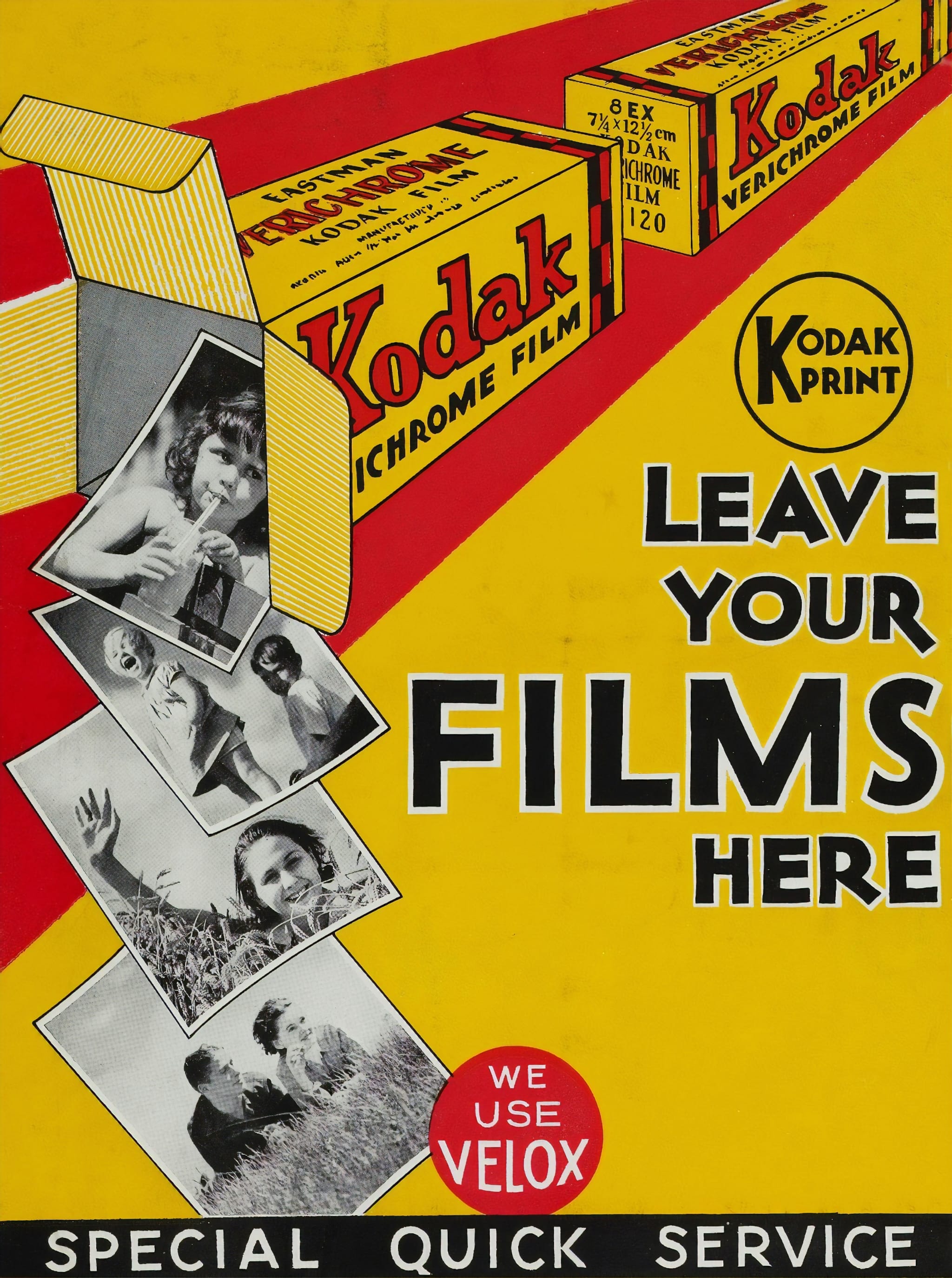
In the heart of Chicago, tucked away in a loft that feels more like a modern art gallery than a living space, resides Max Kepler, one of the world’s foremost collectors of Bauhaus posters. With a collection spanning decades and boasting some of the rarest pieces in existence, Max has turned his love for this revolutionary design movement into a personal museum of sorts.
Max’s journey into Bauhaus began during his university days, where a lecture on 20th-century design first introduced him to the movement. “I remember seeing a poster by Herbert Bayer for the first time,” Max recalls. “The bold typography, the geometric balance, the unapologetic embrace of modernity—it was like nothing I’d ever seen.” That singular moment sparked an obsession that has only grown over the years.
Building the Collection
What started as a single poster purchased from an antique store grew into an expansive collection of over 200 pieces. Max’s acquisitions range from iconic works by luminaries like László Moholy-Nagy and Marcel Breuer to lesser-known gems that showcase the breadth of Bauhaus creativity.
“Each piece tells a story,” Max explains. “Some are direct reflections of the era’s cultural upheavals, while others are quieter explorations of form and function. Together, they create a narrative of the movement’s evolution.”


One of the most exciting aspects of Max’s hobby is the thrill of the hunt. Auctions, estate sales, and even covert tips from fellow collectors have led him to unearth treasures like a 1928 Joost Schmidt exhibition poster and a rare student project from the Bauhaus school itself.
“Finding a piece isn’t just about luck,” Max says. “It’s about knowing the history, understanding the market, and building relationships within the collector community.”
Preserving the Legacy
For Max, collecting isn’t just about ownership; it’s about preservation. Each poster in his collection is meticulously cared for, stored in climate-controlled conditions, and occasionally loaned to museums for public exhibitions. “These pieces are more than just art,” Max asserts. “They’re cultural artifacts that deserve to be shared.”
In recent years, Max has embraced the digital age, creating an online archive to showcase his collection. The website features high-resolution images of each piece, detailed descriptions, and contextual essays about their significance. It has become a resource for students, historians, and design enthusiasts alike.

These pieces are more than just art. They’re cultural artifacts that deserve to be shared.
Max Kepler
Max also uses social media to connect with other Bauhaus aficionados, sharing insights and fostering discussions about the movement’s enduring influence on modern design.
When asked why the Bauhaus movement continues to resonate, Max’s answer is immediate: “Because it’s timeless. Bauhaus wasn’t just a style; it was a philosophy. It taught us that design could be functional, beautiful, and democratic. Those principles are as relevant today as they were a century ago.”
Looking Ahead
Max’s passion for Bauhaus shows no signs of waning. He is currently working on a book that will detail his collection and offer insights into the movement’s impact on contemporary design.
“The Bauhaus is a lens through which we can view the modern world,” Max reflects. “And through collecting, I’ve found my own way to contribute to its legacy.”
For those lucky enough to step into Max Kepler’s loft, it’s clear that his collection isn’t just a hobby—it’s a testament to the enduring power of design to inspire, challenge, and transform.