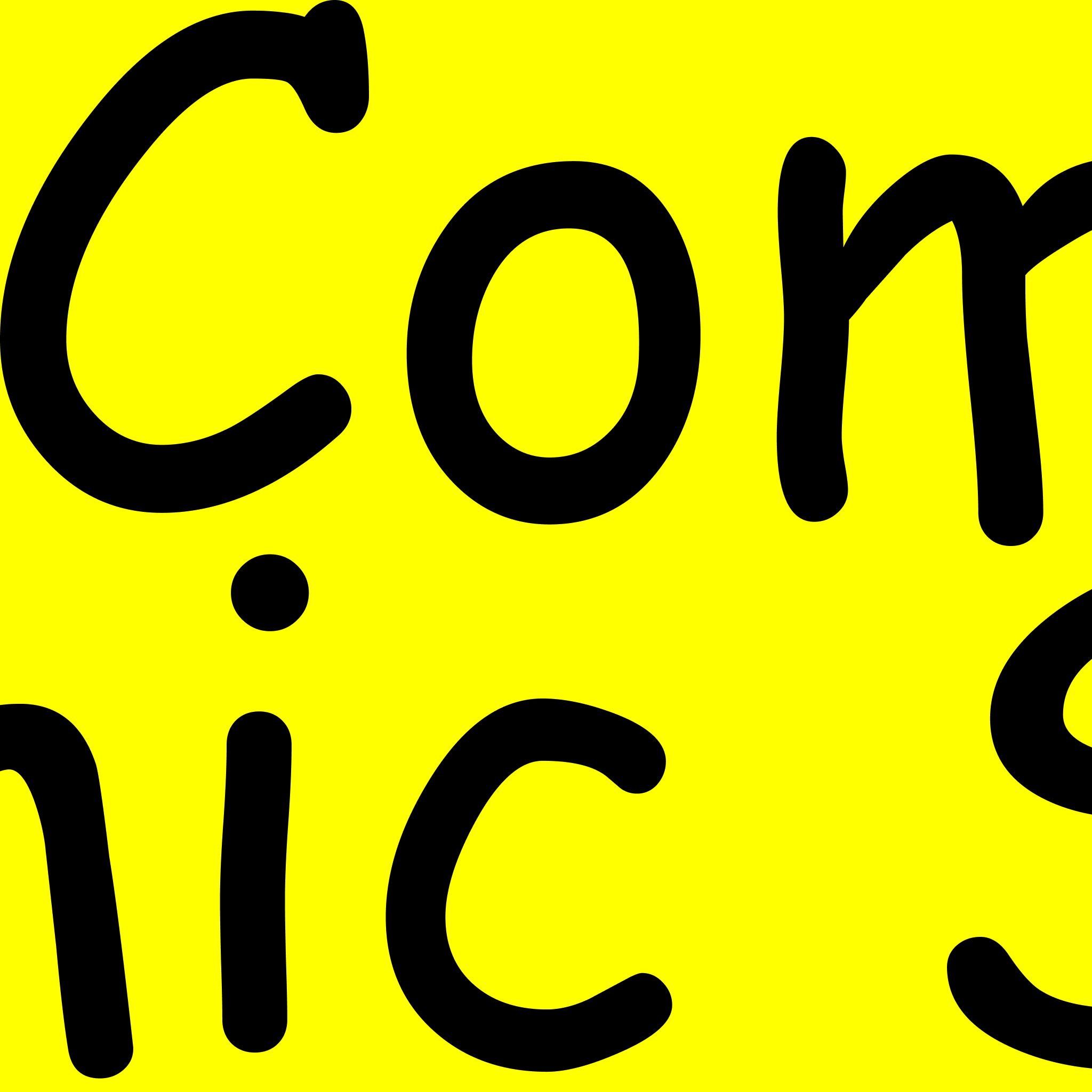
For three decades, Comic Sans has been the typeface everyone loves to hate. Born in 1994 from the creative mind of Vincent Connare, it was intended to bring a friendly, informal touch to Microsoft software. Instead, it became a lightning rod for design purists and a symbol of amateurish aesthetics.
Yet, as Comic Sans turns 30, it’s worth asking: Has time softened our critique of the font? And could it deserve a bit more respect than it’s been given?
Vincent Connare, creator of Comic Sans.

The Birth of Comic Sans
Vincent Connare created Comic Sans to solve a very specific problem. While working at Microsoft, he noticed the incongruity of using Times New Roman in a speech bubble for a talking dog in the program Microsoft Bob. Inspired by comic book lettering, Connare quickly sketched out what would become Comic Sans. Though it didn’t make it into Microsoft Bob, the font was included in Windows 95 and soon found its way into countless flyers, signs, and projects worldwide.
Comic Sans quickly earned infamy in the design world. Its informality made it easy to misuse—appearing on everything from funeral announcements to corporate presentations. For many, it became a shorthand for poor design choices and a lack of professionalism. Movements like “Ban Comic Sans” emerged, cementing its reputation as the font to avoid.
Reassessing Comic Sans
As design culture has matured, so has the conversation around Comic Sans. Recent years have brought a more nuanced perspective. For one, the font’s accessibility merits recognition. Dyslexia experts have noted that the irregular shapes of Comic Sans’ letters can make it easier for some people to read compared to more rigid, uniform typefaces. Its friendly, approachable style has also been a boon for children’s materials and informal settings.
Moreover, the vitriol toward Comic Sans says more about design gatekeeping than the font itself. In a world where design is becoming increasingly inclusive, criticizing Comic Sans for its ubiquity or misuse feels outdated. After all, the problem isn’t the font but how it’s applied.
I think people who dislike Comic Sans don’t know anything about design. They don’t understand that in design you have a brief.
Vincent Connare
As typographic trends shift, some designers are even embracing Comic Sans ironically or nostalgically. It’s been used in high-fashion campaigns and modern art installations, proving that no design element is ever truly off-limits. This resurgence highlights an important lesson: Context matters. When used thoughtfully, even a maligned font like Comic Sans can be effective.
A Legacy Worth Reflecting On
At its core, Comic Sans was designed to solve a problem, and in many cases, it has succeeded. Its informal charm has brought smiles and accessibility to countless people. As it celebrates 30 years, perhaps it’s time to retire the jokes and give Comic Sans the balanced critique it deserves. It’s not the villain of typography but a tool—one that, like any tool, works best when used appropriately.
So here’s to Comic Sans: a font with a complicated past and a surprisingly resilient legacy. Love it or hate it, you can’t deny its impact on the world of design.