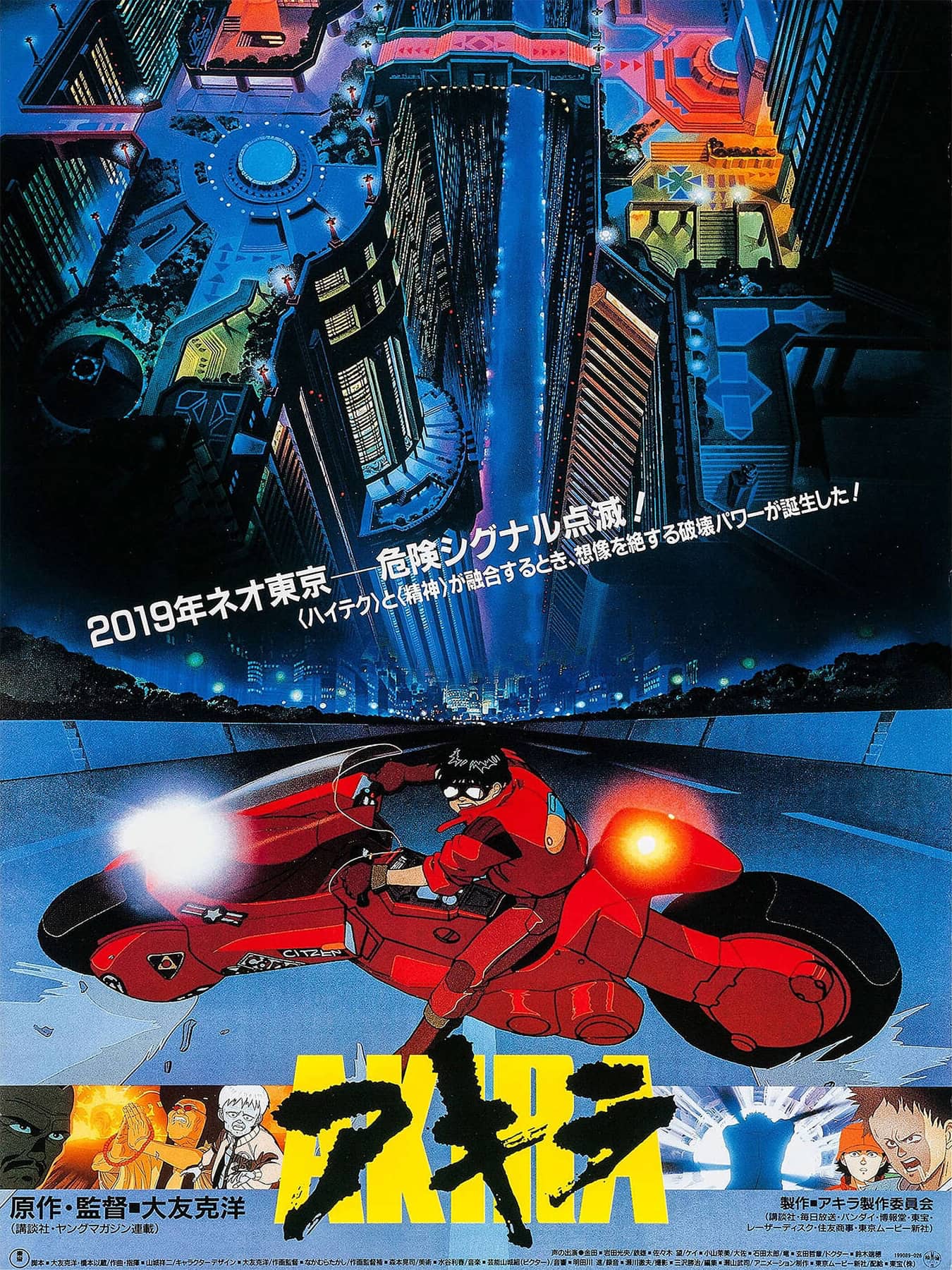
When Akira hit screens in 1988, it didn’t just revolutionize anime—it became a touchstone for futuristic storytelling across multiple mediums. The film’s cyberpunk aesthetic, philosophical depth, and groundbreaking visuals left an indelible mark on sci-fi, influencing countless video games that explore dystopian futures, sprawling megacities, and the darker sides of technology.
The Cyberpunk Blueprint
At its core, Akira is a tale of power, rebellion, and humanity’s relationship with technology. Its depiction of Neo-Tokyo—a sprawling, neon-lit metropolis—set a standard for cyberpunk worlds. The city’s towering skyscrapers, chaotic streets, and vibrant nightlife became a visual lexicon for game designers building their own dystopian settings.
Games like Deus Ex and Cyberpunk 2077 borrow heavily from Akira’s visual style and themes. From sprawling urban decay to philosophical questions about humanity’s future, these games reflect Akira’s influence in every neon-drenched corner. Even Final Fantasy VII takes cues from the film, with its portrayal of Midgar, a city dominated by corporate greed and technological excess.

Tetsuo’s transformation from a troubled teenager to a godlike being serves as a cautionary tale about the dangers of unchecked power. This character arc has resonated with game developers, inspiring countless narratives where characters grapple with newfound abilities. In Prototype, players embody Alex Mercer, whose destructive powers and moral ambiguity echo Tetsuo’s journey.
Similarly, Akira’s biker gangs—especially Kaneda and his iconic red motorcycle—have left their mark. The rebellious anti-hero archetype, paired with sleek, futuristic vehicles, appears in games like The Ascent and Rage 2, where players navigate lawless worlds on powerful machines.
Visual Storytelling and Atmosphere
The detailed animation and visual storytelling of Akira broke new ground, and video games have sought to emulate its immersive atmosphere. The film’s use of light and shadow, vibrant colors, and intricate environments pushed the boundaries of how a story could be told without words. Titles like Ghostrunner and Ruiner draw directly from this approach, using striking visuals to establish mood and deepen the player’s connection to the world.
Moreover, Akira’s apocalyptic imagery—from massive explosions to crumbling infrastructure—has inspired countless set pieces in games. The catastrophic energy sphere that consumes Neo-Tokyo echoes through games like Control, with its mind-bending physics and destruction mechanics.
Akira pushed the boundaries of how a story could be told without words.
Akira asks profound questions about identity, power, and the consequences of scientific ambition. These themes have found a home in video games that challenge players to think deeply about the worlds they explore. Nier: Automata examines the nature of existence and free will, while Observer delves into the psychological impact of technological integration.
Even the idea of rebellion against oppressive systems—central to Akira’s story—remains a recurring motif. Games like Watch Dogs: Legion and The Outer Worlds task players with dismantling authoritarian regimes, echoing the anarchic spirit of Kaneda and his gang.
A Legacy of Inspiration
More than 30 years after its release, Akira continues to inspire sci-fi video games with its bold vision of the future. Whether through its aesthetic, characters, or philosophical musings, the film remains a blueprint for creators seeking to craft immersive, thought-provoking experiences. As new generations of developers revisit its themes and visuals, Akira’s influence will undoubtedly persist, ensuring its legacy in the gaming world for decades to come.